

Thinking Bigger for a Better Texas
Analysis of Texas Child Care Provider Experiences & Policy Implications Across Early Childhood Systems
In the fall of 2025, CHILDREN AT RISK distributed a statewide survey to Texas child care providers and parents, gathering input from more than 1,300 respondents representing all 28 Local Workforce Development Boards to better understand the realities shaping the provider experience. These findings help inform our recommendations for the ongoing Texas Sunset Commission process, as well as the Quad-Agency Child Care Initiative and the Governor’s Taskforce on Governance of Early Care and Learning and the 90th Texas Legislature, supporting efforts to strengthen public policy and the early childhood workforce.
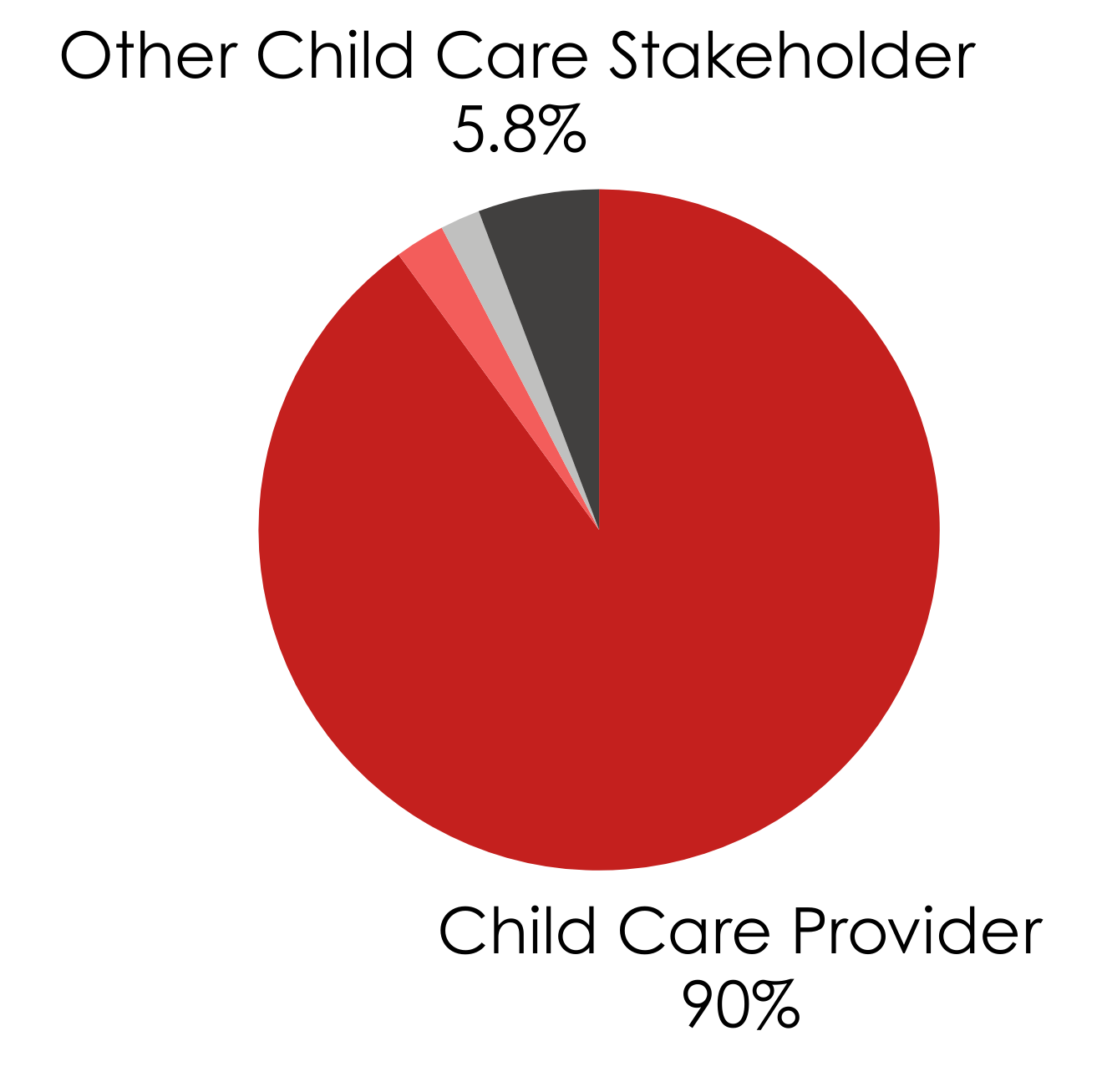
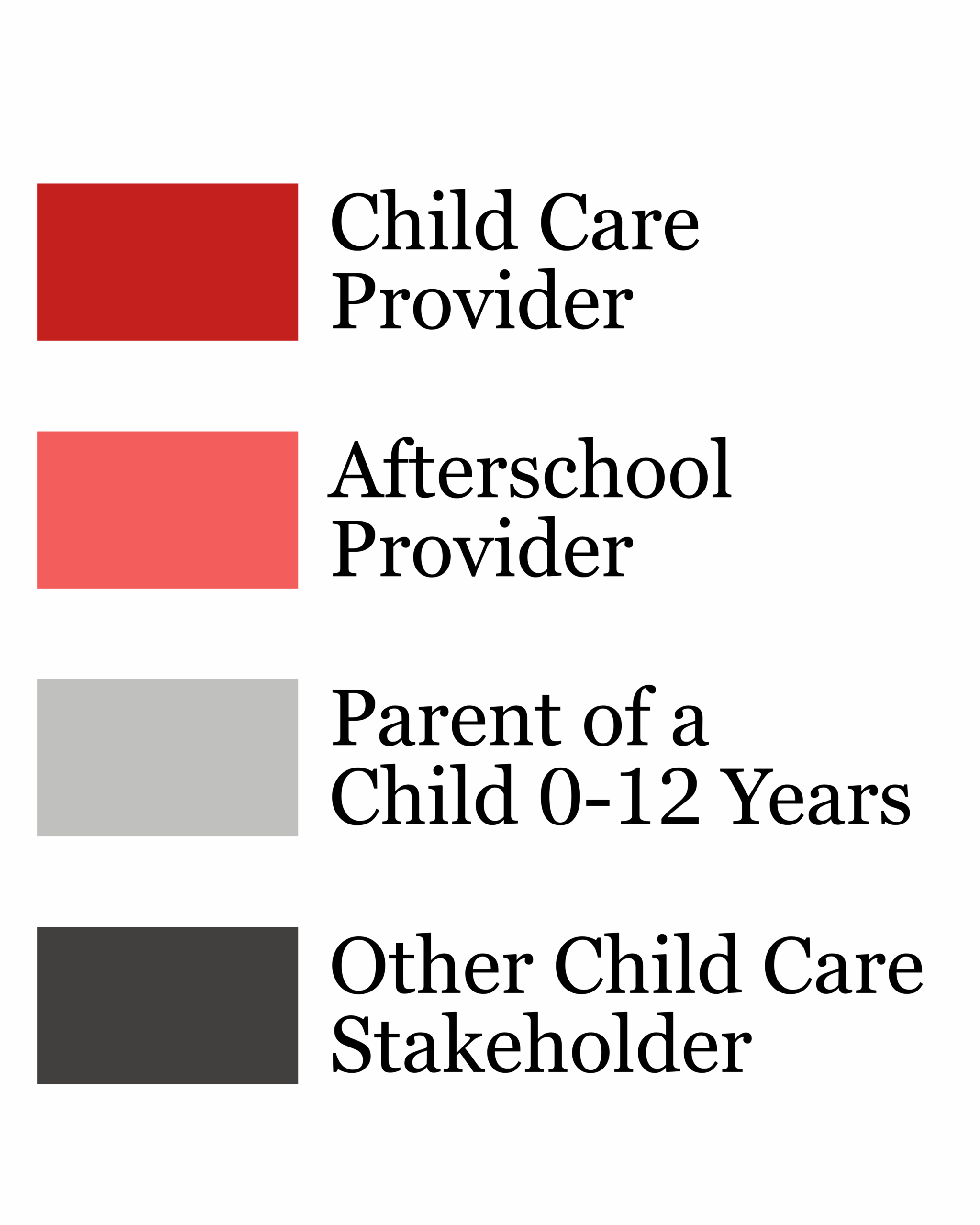
The findings from this survey strongly reinforced what CHILDREN AT RISK heard during their Fall 2025 Texas Tour, where providers, educators, and community leaders across 12 communities described many of the same systemic challenges. Taken together, both the Texas Tour conversations and this statewide survey reveal a consistent picture of fragmented oversight, inconsistent regulatory practices, outdated technology systems, and persistent barriers that limit access to child care. This alignment underscores the urgency for coordinated, statewide solutions that reflect both community experience and provider voice.
This analysis synthesizes insights from four qualitative datasets capturing provider experiences:
- Challenging Regulations
- Background Check Challenges
- Improving Communication
- Provider & Other Suggestions
Providers described a system that is disconnected, administratively burdensome, technologically outdated, and insufficiently supportive. These conditions undermine staffing and retention efforts, limit family access, and weaken the overall stability of Texas’ essential child care infrastructure.
Cross-Cutting Insight: Providers Feel Overwhelmed & Burdened by Systems Not Designed for Them
Across all survey responses, one message was unmistakable: child care providers care deeply about children and are committed to offering high quality care, but the systems surrounding them make that work harder than it needs to be. Child Care Regulation requirements, background checks, Child Care Services processes, data platforms, and communication channels are often slow, confusing, or disconnected from one another. Instead of supporting programs, these systems create barriers that providers must navigate daily. The impact is significant. Providers described:
- facing increased turnover in staff,
- experiencing turnover of Child Care Regulation representative
- facing financial instability
- reducing program capacity
- feeling deep frustration with state systems
Ultimately, these challenges limit family access to reliable, high quality child care across Texas and hinder child care providers’ stability or resilience to remain operational.
CHILDREN AT RISK’s analysis of responses defined actionable and cost-effective steps that state agencies and policymakers can take to strengthen early childhood systems. Providers consistently emphasized five areas where targeted improvements would make the most meaningful difference for program stability, workforce capacity, and family access.
Key Recommendations
I. DESIGN A PURPOSEFUL UNIFIED GOVERNANCE WITH SYSTEMWIDE COORDINATION TO IMPROVE EFFICIENCY AND QUALITY
Providers report fragmented oversight, inconsistent rule interpretation, and competing regulatory structures across the Health and Human Services Commission’s Child Care Regulation (CCR), the Texas Workforce Commission’s Child Care Services (CCS) and Texas Rising Star (TRS), and Texas Education Agency–administered Pre-K. Without coordinated leadership, rules often shift without aligned communication or clear rationale, forcing providers to navigate conflicting expectations with limited guidance. In response, providers are calling for a unified early childhood governance structure with a lead agency or decision-making authority to reduce fragmentation; standardized interpretation of TRS and Child Care Regulation standards across Local Workforce Development Board regions; and parity in expectations and accountability between public school Pre-K and private early childhood programs serving young children.
II. SYNTHESIZE KEY REGULATIONS TO REDUCE CONFUSION AND IMPROVE REGULATORY ALIGNMENT
Regulatory burden emerged as one of the strongest and most consistent themes across the dataset. Providers described excessive paperwork, constantly changing regulations, and variances in interpretation of standards. Addressing these challenges will require clearer guidance, uniform training and calibration for regulatory staff, and a shift toward supportive, partnership-based oversight rather than punitive enforcement.
III. IMPROVE OVERSIGHT OF CONTRACTED SERVICES TO ENSURE QUALITY PERFORMANCE
Providers highlighted significant challenges, including delayed and inaccurate Child Care Services (CCS) payments, confusing contracting requirements, and family waitlists that in some cases exceed two years. Survey results show that providers often feel they bear the full weight of accountability while state agencies and Local Workforce Development Boards face limited consequences for errors or delays. In response, providers are calling for stronger accountability for state agencies and LWDBs to ensure accurate and timely CCS payments, clear and transparent timelines for family waitlists and application processing, and the creation of a public-facing, centralized information hub that consolidates rules, forms, contacts, and grant opportunities across HHSC and TWC for both families and providers.
IV. UPDATE TECHOLOGY & DATA SYSTEMS TO AID IN TRANSPARENCY AND RELIABILITY
Across every dataset, providers reported that HHSC and TWC systems are outdated, unreliable, and difficult to navigate. Managing multiple portals, with unclear interfaces, delayed or opaque background check statuses, and inconsistent communication about rule changes, creates daily operational challenges for child care programs. In response, providers are calling for a shared eligibility system that allows families to apply once for multiple child- and family-serving programs, a streamlined background check process that reduces delays and coordinates across systems to meet workforce needs, and proactive, statewide communication of rule changes through a common portal with a predictable, consistent announcement cadence.
V. SIMPLIFY & STREAMLINE CHILD CARE SERVICES SYSTEM APPLICATION/ONBORADING PROCESS TO IMPROVE EFFICIENCY FOR PROVIDERS AND SERVE MORE FAMILIES
Respondents described significant delays in subsidy access, inconsistent eligibility requirements, and a cumbersome intake and application process that strain providers and families alike. These barriers reduce program capacity, further weaken an already fragile workforce, and limit families’ access to reliable, affordable high-quality child care. To address these challenges, providers are calling for a coordinated, end-user–focused system that integrates family eligibility, provider applications, and compliance tasks; family-facing navigation support through local navigators or technology tools; and a review of required paperwork to simplify or consolidate duplicative administrative tasks across agencies.
MORE LIKE THIS

Fall 2026 Early Childhood Texas Tour
Each fall, CHILDREN AT RISK brings early childhood leaders and stakeholders together for community-centered conversations in 12 major Texas cities to exchange insights, examine regional experiences, and envision a stronger future for child care...

Press Conference: Child Advocates Discuss Proposed Head Start Overhaul and State-by-State Impacts
Notice of Proposed Rulemaking (NPRM) removes significant federal regulations, shifting most standards toward state and local regulation Media Contact:Morgan Gerri, 832.600.9354 TEXAS (August 13, 2026) – On Thursday, August 6, the U.S. Department of...

Press Conference: Head Start is Critical to Texas’ Academic and Economic Foundations
Child care stakeholders urge policymakers to preserve Head Start regulations in anticipation of the release of Federal Notice of the Proposed Rulemaking. Media Contacts:Morgan Gerri, 832.600.9354Rashena Franklin, 713.301.4577 TEXAS (August 5, 2026)...

Seeds of Change: Recap of the 2026 Early Childhood Education Summit
Written by Lucy Lusk, Summer 2026 Media Fellow, CHILDREN AT RISK On June 11, CHILDREN AT RISK and Texas Prenatal-to-Three (PN-3) Collaborative, in partnership with the Texas Family Leadership Council (TXFLC), hosted the 2026 Early Childhood...

2026 Early Childhood Sunset Recommendations
Related: Click here to read all of CHILDREN AT RISK’s recommendations for the Texas Sunset Advisory Commission.Every 12 years, most Texas state agencies undergo a comprehensive review by the Sunset Advisory Commission, a process that includes staff...

System Gaps and Survivor Needs: Human Trafficking Focus Groups
System Gaps and Survivor Needs CHILDREN AT RISK conducted focus groups to better understand the experiences of survivors of Human Trafficking and the organizations that support them. These conversations included survivors and frontline service...
Stay Informed
Sign up for regular updates, research, and advocacy opportunities from our Early Childhood Education team!