
Legislative District One Pagers
Early Childhood EducationWelcome to CHILDREN AT RISK’s Early Childhood Education Policy Resource hub, where you can
explore the child care landscape in each Texas House and Senate district.
This data was last updated in September 2026.
STATEWIDE DATA BRIEF · 2024–25
Early Childhood Education in Texas
A look at child care and Pre-K access across Texas, measured against the last stable year before COVID-19.
Texas families depend on a stable, well-funded child care and Pre-K system to keep parents in the workforce and children safe, cared for, and ready to learn. The data below compares the 2024–25 school year to 2018–19 — the last full year before COVID-19 disrupted the child care market — rather than to 2023, which marked the pandemic-era low point for enrollment, providers, and funding. Measuring progress against a stable, pre-pandemic baseline shows where the state has genuinely rebuilt and grown, and where it still has ground to make up, without the artificial swings created by temporary federal relief dollars.
Investing in Texas Families
The 89th Texas Legislature's $100 million investment in child care is showing up in the state's subsidy numbers, but the full picture is more complicated than growth in seats alone suggests. Statewide, the number of subsidized child care seats has grown 62% since before the pandemic — from 91,580 in 2018–19 to 148,675 today. That is real, meaningful growth. But the population of low-income working families who could qualify for that support has grown even faster — 84% over the same period — so the share of eligible children the state is actually able to serve has slipped slightly, from about 29% in 2018–19 to about 26% today. Sustained investment isn't just about protecting past gains; it's necessary just to keep pace with a rapidly growing need.
Subsidized seats grew 62% — but eligible need grew 84%.

Sources: Texas Workforce Commission and Health and Human Services Commission, 2018–19 and 2024–25.
Status of Child Care in Texas
Even with that progress, the underlying child care market has not fully recovered. Six different state agencies still govern early childhood programs in Texas, and the state maintains 884 child care deserts for low-income working families, compared to 413 deserts for all families. Total statewide child care capacity sits at 994,949 seats, an 11% decline from 1,122,509 in 2018–19 — even as the number of young children with working parents has grown 9%. That shrinking capacity is not evenly distributed: licensed child care centers actually grew 10% since 2018–19, but that gain has been overwhelmed by a 50% collapse in registered child care homes (from 3,968 to 1,972) and an 8% decline in licensed child care homes. Texas is losing exactly the kind of small, community-based providers that many rural and working families rely on. Left unaddressed, this trajectory is expected to worsen: Texas is on track to reduce child care access for low-income working families by 9.5%, resulting in 14,000 fewer children served each day through the subsidy program by 2027.
Capacity is shrinking as the number of working families grows.

Sources: Texas Workforce Commission and Health and Human Services Commission, 2018–19 and 2024–25.
Access to Quality Child Care in Texas
Demand keeps outpacing supply. Statewide, 1,156,515 children ages 0–5 have working parents, and an estimated 579,385 of them have low-income working parents and are not already enrolled in Head Start or public Pre-K — meaning they could qualify for subsidized care. That eligible population has grown 84% since 2018–19 (from 314,065), reflecting both population growth and rising need. Texas' subsidy program now has capacity to serve 148,675 of these children — about 26% of those in need, essentially unchanged from the 29% served in 2018–19, despite a 62% increase in subsidized seats. Rising need has outpaced new investment, leaving roughly three in four eligible Texas children without access to the subsidized care that would let their parents work and keep them in a safe, stable learning environment.
| Year | Percent Eligible |
|---|---|
| 2018-2019 | 29% |
| 2024-2025 | 26% |
Share of income-eligible children, excluding those already enrolled in Head Start or public Pre-K.
Public Pre-K Availability in Texas
Public Pre-K access has grown modestly since before the pandemic. Statewide enrollment of 3- and 4-year-olds is up 4%, from 238,921 in 2018–19 to 248,483 today, and the number of Texas schools offering Pre-K has grown 12%, from 3,466 to 3,884. That growth, however, has not reached the state's most vulnerable children at the same pace: the number of economically disadvantaged children attending Pre-K actually fell 5%, from 211,434 to 201,391, and the share of Pre-K seats filled by economically disadvantaged children dropped from 89% to 81%. As Texas continues to expand Pre-K access, policymakers should ensure that growth reaches the children who stand to benefit most.
Policy Priorities
To build on this progress and close these persistent gaps, Texas policymakers should:
- Align early childhood governance across the state agencies that oversee these programs
- Expand funding and access for children, particularly the majority of eligible low-income children still without a subsidized seat
- Modernize data and technology systems
- Require Local Workforce Development Board (LWDB) training on child care services
- Strengthen administrative review
- Enhance contracted services accountability
- Streamline enrollment for families and providers
Note: Comparisons throughout this brief use 2018–19 as the pre-pandemic baseline rather than 2023, which reflected the temporary low point in enrollment and funding caused by COVID-19 and the expiration of related federal relief. Sources: TWC and HHSC data 2018–19 & 2024–25; American Community Survey; TEA.
For more information contact Mandi Kimball, VP & Chief Government Relations Officer, at mkimball@childrenatrisk.org (512-785-7132), or Kim Kofron, Senior Director of Education, at kkofron@childrenatrisk.org (512-656-3797).
MORE LIKE THIS

REPORT: Classrooms in Crisis
COVID-19 changed our public education landscape nearly overnight. Thousands of Texas schools and nearly 5.5 million students faced a school year like never before. Schools had to quickly develop tools andresources that would support the pivot to a...

ECE Texas Tours – Fall 2022
CHILDREN AT RISK is hosting policy roundtables in 11 major cities around Texas throughout the fall. During the roundtables, C@R will be discussing the upcoming 88th Texas Legislative Session and leading local conversations around legislative...

C@R and Partners Present Third National Immigration Summit
This year, national advocates explored child-forward immigration policies, access to basic needs and mental health resources, education equity, and how to shift the narrative surrounding immigrants and immigration.On June 23, 2022, CHILDREN AT...

Experts Gathered to Discuss the Importance of Texas Mothers During May 5 Summit
Researchers and advocates gather to discuss federal and state policy implications maternal health outcomes, family planning, and economic justice at first-ever Texas Motherhood Summit.On May 5, Children at Risk and Texas Family Leadership Council...

Access to Affordable High-Quality Child Care is Scarce
By Neomi Fletcher, Early Childhood Education and Jacob Westjohn, Early Childhood Education (Note: UPDATED JUNE 7, 2023. Data sources are all publicly available from the Texas Workforce Commission, TEA, and Family Service. This report uses data from...
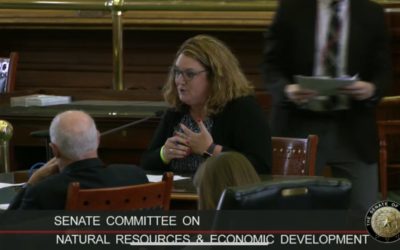
CHILDREN AT RISK Testifies to Texas House Committee on Child Care Priorities
On May 19, 2022, C@R Director of Education, Kim Kofron, provided testimony to the Texas House Committee on International Relations and Economic Development. The testimony shared data on child care closures: “Texas has lost 21% of child care...

TREC Hosts Sixth Rapid Round Table Focused on the Quest for Equity & Quality
Dismantling the systemic barriers to provider participation in Texas’ QRIS and increasing access to high-quality ECE for children and families of color. Media Contact: Rashena Flagg, 713.301.4577 On Thursday, May 12, CHILDREN AT RISK and the Texas...
Stay Engaged
Thank you, Texas. Your dedication is inspiring, and we are honored to partner with you.
Sign up to receive regular updates from our Early Childhood Education team.