

Bedtime can be a difficult time for parents and their children. Bedtime routines, bedtime stories, and cuddles all help prepare children for sleep. A structured routine helps to ensure that the child is well-rested in order to grow their brain cells! Bedtimes are not just about going to sleep though–it’s also about getting up on time so families have enough energy to focus at work or school the next day. This blog post will highlight the importance of structured sleep and provide some helpful tips on how families can get back on track with structured sleeping habits!
Why is sleep important?
Sleep plays a critical role in development in children; it allows for their bodies to recharge and retain the information they have learned throughout the day. In toddlers, napping allows for memory consolidation, motor skill development, and executive attention. Children and adolescents who regularly obtain an adequate amount of sleep have improved attention, behavior, memory, and learning, in addition to overall mental and physical health.
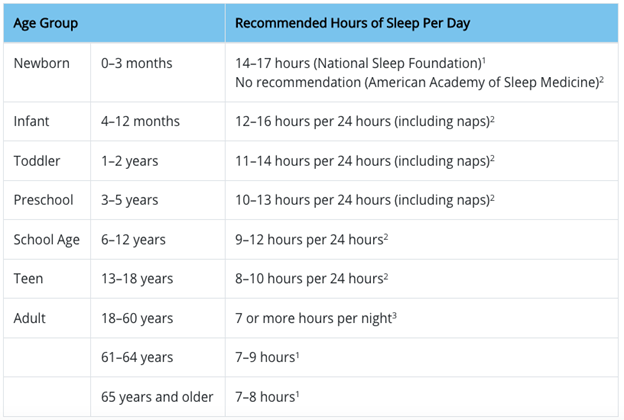
The CDC has suggested the following amounts of sleep for children in each category, as seen below.
What happens when children don’t get enough sleep?
Unfortunately, according to the American Academy of Pediatrics, a quarter of children under the age of 5 do not receive adequate sleep. Additionally, 6 out of 10 middle school students do not receive enough sleep, and that number increases to 7 out of 10 for high school students. Many experts consider insufficient sleep among adolescents to be a public health issue.
There’s a lot of evidence that children who don’t get enough sleep are at risk of developing obesity, diabetes, and high blood pressure in their adult life. Poor sleep in early childhood has also been linked to an increased risk of depression and anxiety in adulthood. In adolescents, inadequate sleep is a risk factor for mental health issues and substance abuse. It also increases the likelihood of sports injuries and car crashes.
Bedtime routine, diet, and technology usage are just a few of the many elements that may influence both the quality and quantity of sleep a youngster receives. These variables change with age, so it is critical for parents to ensure that their kids adhere to good sleep hygiene or habits that encourage a good night’s sleep while also reducing any factors that might disrupt.
Here are some pointers on how to practice healthy sleep habits:
1. Implement a consistent bedtime routine.
School-age children and teenagers benefit from going to bed at the same time each night, and getting up at the same time each morning, even on the weekends. Following the same routine before bedtime can help children understand expectations and wind down to prepare to sleep. Consistency is associated with a number of beneficial outcomes, including enhanced language development, academic achievement, as well as social-emotional and behavioral functioning.
A bedtime routine may look like:
● Putting on pajamas and brushing teeth
● Turning off electronics and other sources of bright light
● Removing distractions from the bedroom, such as toys
● Taking a bath
● Listening to a bedtime story
2. Minimize screen time before bedtime.
Electronics such as TVs, computers, iPads, and smartphones should be turned off at least 30 minutes before bedtime. The light produced by electronic devices can suppress natural hormones produced by the brain that encourage sleepiness. Additionally, electronic usage in the bedroom, especially close to bedtime, should be avoided as much as possible to help create an environment that children associate with sleep.
3. Avoid caffeine and sugary, high-fat foods.
Caffeine consumption is significantly related to morning tiredness, restless sleep, and sleep problems in children. Additionally, children who consume sugary and high-fat foods were also found to spend less time in slow-wave, deep sleep which is essential for growth and development. Thus, children should minimize consumption of caffeinated foods and beverages, as well as high-fat and sugary foods, especially before bedtime.
While it may at first be difficult to introduce and maintain structured sleep habits, practicing good sleep hygiene will help families maintain sleep routines over disruptions from daylight savings time to holiday breaks. Sticking to a routine can make the return to school much smoother for parents and teachers. Furthermore, instilling healthy sleep habits has been linked to a slew of positive outcomes for youngsters of all ages.
This blog post was written by Amna Ali. Ali is a Heath and Research Intern with CHILDREN AT RISK. Learn more about CHILDREN AT RISK’s Research via the button below.
MORE LIKE THIS

Recap: Third Annual Future of San Antonio Children
Leaders from across education, health care, research, and community organizations gathered in San Antonio for the third annual Future of San Antonio event to examine the latest data on child well-being and discuss strategies to improve long-term...

Bexar County Child Health Initiative Report 2026
CHILDREN AT RISK (C@R), Family Service, and the Baker Institute for Public Policy at Rice University partnered to launch the CHI in response to Community Health Needs Assessments that signaled poor mental health, nutrition, and hightened rates of...

Recommendations for the Texas Sunset Commission Ahead of the 90th Texas Legislature
Related: Click here to read CHILDREN AT RISK’s Texas Interim Charge RecommendationsEvery 12 years, most Texas state agencies undergo a comprehensive review by the Sunset Advisory Commission, a process that includes staff analysis, public input, and...

Interim Charges for the 89th Texas Legislature
Related: Click here to read CHILDREN AT RISK’s Texas Sunset Commission Recommendations.Texas lawmakers convene once every two years for the regular Texas Legislative Session. The period between sessions, known as the Interim, is a critical time for...

Press Release: Strong Start Launch
Strong Start: Greater Houston Early Childhood Education Alliance will transform the early childhood education sector across the Greater Houston area, addressing the growing gap in child care access throughout the Gulf Coast region. Media...